AL-FATIHAH
إنا لله وإنا إليه راجعون
Last week Malaysia was gripped by the tragic end to the search for Nurin Jazlin. This 8 year old girl had gone missing a month earlier on August 20th after going out to the night market near her home in Kuala Lumpur. It was the first and only time she had done so by herself. I first knew of this case during my business trips: pictures of her smiling bubbly face were posted at almost every petrol station in the country.
On Monday 17th September, the body of a girl was found in a large sports bag outside Kuala Lumpur. Pictures were released; Nurin’s parents said no, this was not her. The girl in the photo was not at all like the Nurin on the posters: this was a picture of a corpse - gaunt, lifeless and with a pained look. Indeed police found evidence of sexual abuse and torture.
But DNA tests were carried out, and confirmed that the dead girl was Nurin. The parents finally overcame their denial, took Nurin’s body home and, in accordance with Muslim practice, gave her a prompt burial.
To add to the parents’ grief there were some who blamed them for not looking after their children well enough. The Chief of Police was quoted that the parents might be charged for negligence.
This raises the question: to what extent should parents keep their children safe?
This month in Britain, 1100 teachers, psychologists, authors and childcare expert wrote an open letter to a UK newspaper. Overprotective parents were warned that they were denying youngsters a proper childhood by keeping them indoors playing video games instead of letting outside them play.
They said that loosely supervised play was crucial for keeping children active, teaching them to deal with risk and learn to get on with others. But parental anxiety over “stranger” danger, traffic in residential areas, commercialized toys and screen entertainment were all working together to rob children of opportunities to enjoy “real” play. And this they claimed was endangering the health and well-being of the coming generation: “real play – socially interactive, first hand, loosely supervised – has always been a vital part of children’s development, and its loss could have serious implications.”
I love children. I have five of them, two of about Jazlin’s age; and concern for their safety does pose a dilemma. I would like them all to have the childhood that I had. Life was more carefree in those days (though I suspect that those who survived intact like I did, have fonder memories than those who were unlucky). But the circumstances of life for
children in the city have changed.
The police haven't arrested anyone yet, but suspect links with earlier cases of abduction and abuse of other small children; parents will be more careful with their children. The evil deeds of a sick demented psycho have will victimized not just a few children but perhaps every child in the country.
In the
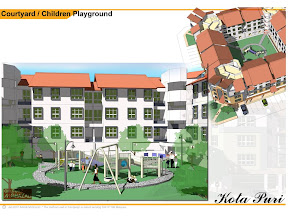
deep corners of my website you will find my theory and ideas about how architecture and town-planning can make children happier – with green semi-private courtyards in front of every house for children to play in full view of their parents and neighbours. It’s hidden there because I worry that it might be perceived as wishful thinking and naïve.
But in these dark days we need all the optimism we can get. Aristotle was reported to have said that the purpose of town-planning is to make people happier.
Childhood in the City 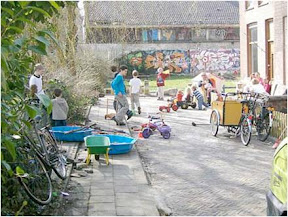
The Children-Friendly City of Delft References: nurinjazlin.blogspot.com
news.bbc.co.ukSocial Bookmarking